Yarn
Yarn, a fundamental element in the world of textiles, transcends its basic form to become a versatile and indispensable material. This article takes a closer look at the multifaceted nature of yarn, unraveling its diverse applications, production processes, and the evolving landscape of the textile industry.
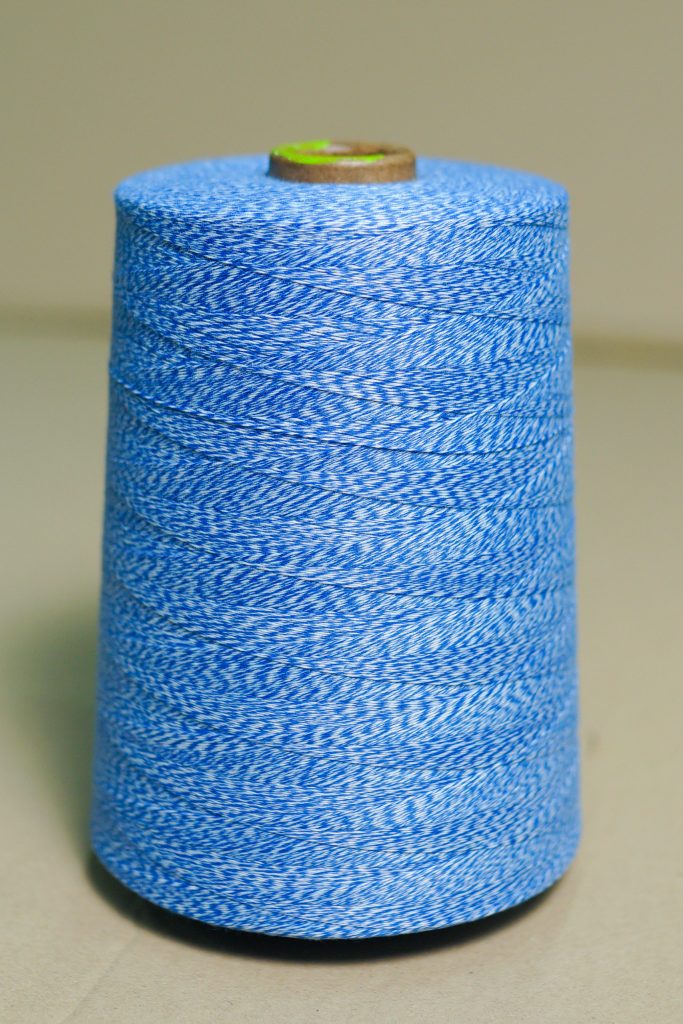
Understanding Yarn: Yarn, in its essence, is a continuous strand of fibers, often interlocked, designed to be woven or knitted into fabrics. Its variations, including fiber type, thickness, and texture, contribute to the vast array of yarn options available.
Types of Yarn:
- Natural Fiber Yarns: Explore yarns derived from natural sources such as cotton, wool, and silk, known for their comfort and breathability.
- Synthetic Fiber Yarns: Delve into the world of yarns crafted from synthetic materials like polyester and nylon, prized for their durability and versatility.
- Blended Yarns: Discover the harmonious combination of natural and synthetic fibers, offering a balance of comfort and resilience.
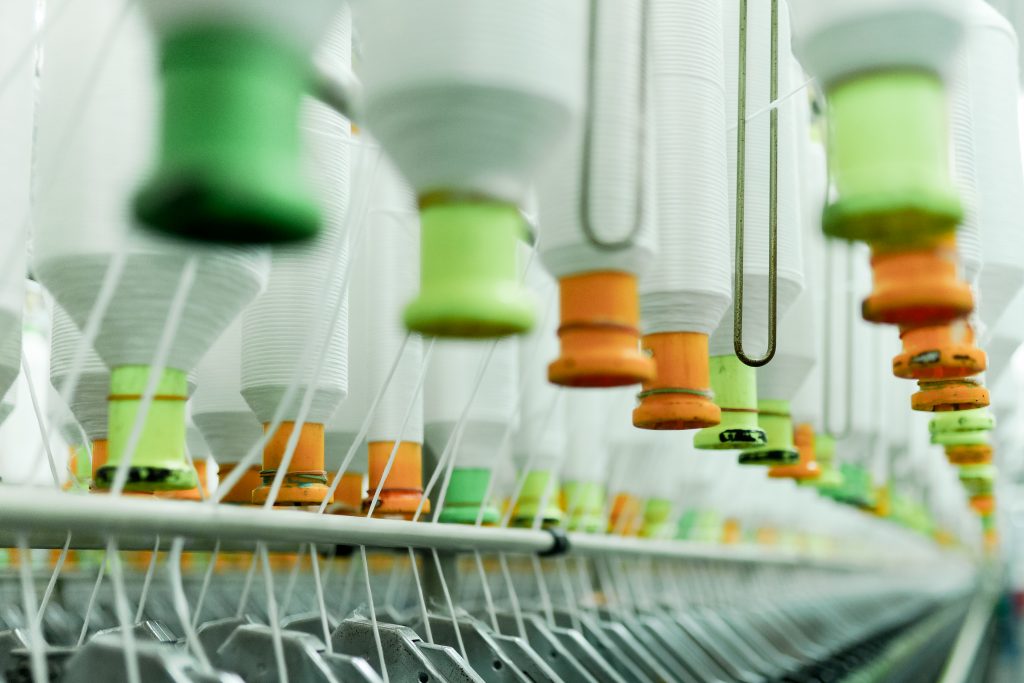
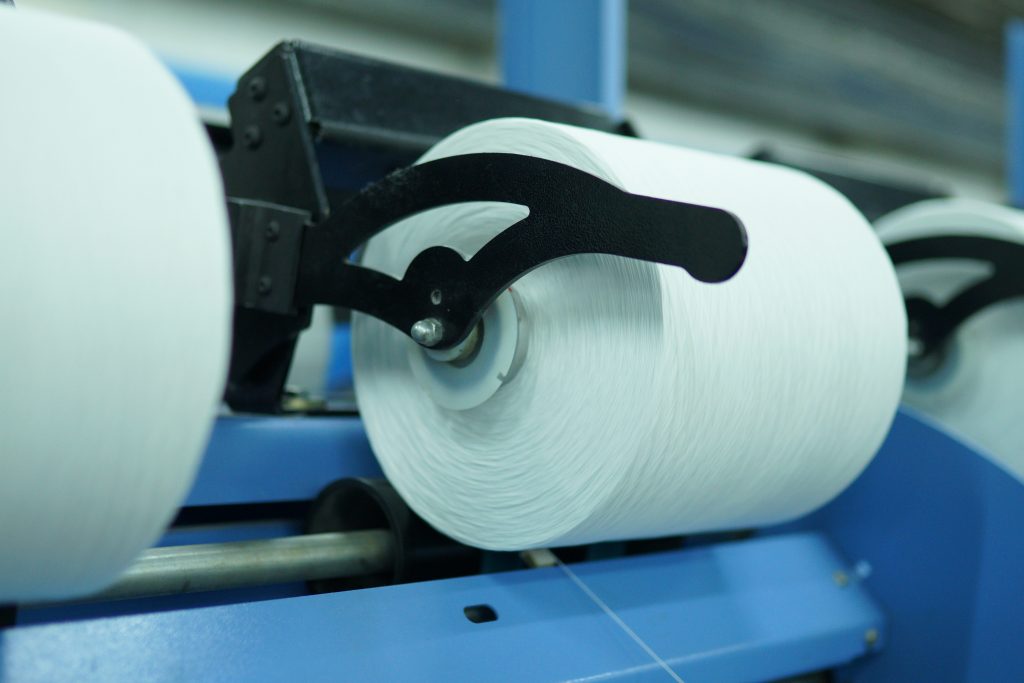
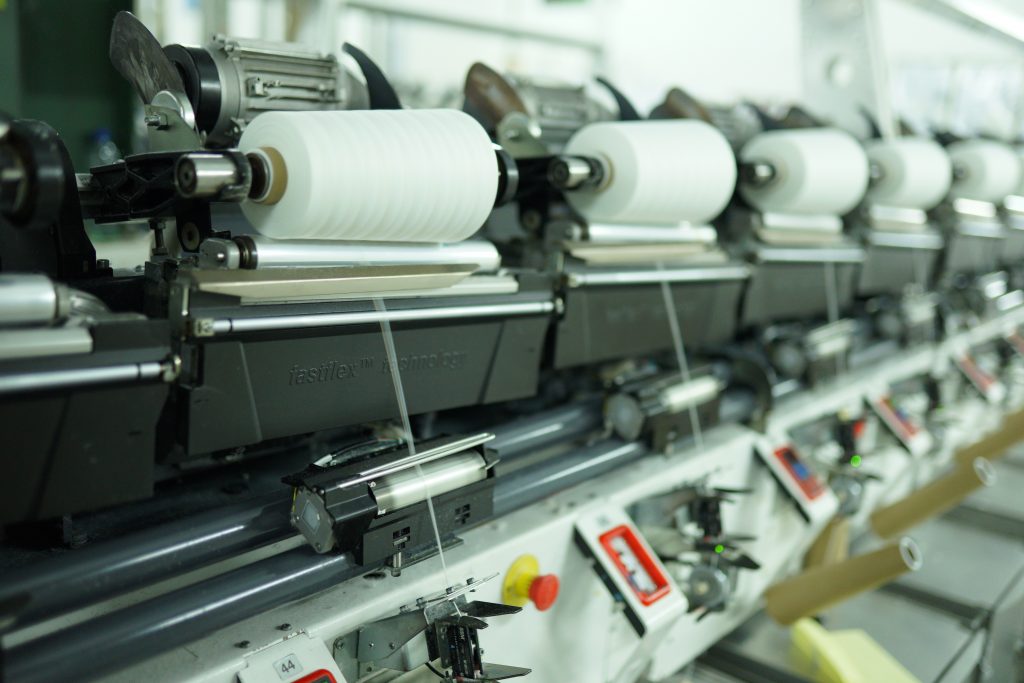
Production Techniques: The art of creating yarn involves various techniques, including spinning, twisting, and plying. Each method contributes to the unique characteristics of the final yarn product.
Applications in Textiles:
- Fashion Yarns: Uncover the role of yarn in the fashion industry, where it transforms into garments, accessories, and intricate designs, reflecting the latest trends.
- Home Textiles and Décor: Explore how yarn is utilized in the creation of cozy blankets, stylish rugs, and other home decor items, adding warmth and aesthetics to living spaces.
- Industrial Yarns: Delight in the versatility of yarn in industrial settings, where its strength and durability are harnessed for technical textiles and heavy-duty applications.
Evolving Trends in Yarn: As the textile industry progresses, new trends emerge, reflecting consumer preferences and environmental consciousness. Sustainable and eco-friendly yarns are gaining prominence, aligning with the global shift towards responsible consumption.
Conclusion: Yarn, with its myriad forms and applications, remains a timeless cornerstone in the textile world. From traditional craftsmanship to cutting-edge innovations, the journey of yarn continues to unfold, weaving together the past, present, and future of the textile industry. As consumers seek sustainable choices, the yarn industry adapts, ensuring its threads remain intertwined with the fabric of our daily lives.
Delta Hitech Textiles – Yarn is a continuous strand of fibers that is used to create fabric. It can be made from a variety of materials, including natural fibers such as cotton, wool, and silk, and synthetic fibers such as polyester, nylon, and acrylic. Yarn is classified by its construction, which can be either single …
Single Ply Yarn For Apparel Use Read More »
Ring spun yarn is a type of yarn that is produced using a ring spinning machine. This type of yarn is characterized by its smooth, even texture and its high strength. Ring spun yarn is made from a variety of fibers, including cotton, polyester, wool, and acrylic. Properties of Ring Spun Yarn Ring spun yarn …
Best Quality Ring Spun Yarn Read More »
Delta Hitech Textiles – In the belting industry, the search for materials that combine durability, strength and versatility is an ongoing endeavor. One material that is making significant progress in this domain is Ring Spun Polyester High Tenacity yarn. This innovative thread is revolutionizing the belting industry landscape, offering a myriad of benefits that contribute …
Ring Spun Polyester High Tenacity Yarn For Industrial Belting Read More »
Delta Hitech Textiles – In transportation and industrial applications, the importance of high-performance materials cannot be overstated. One of the key players in this arena is Ring Spun High Tenacity Yarn, a technological marvel that has changed the belting transportation landscape. This article explores the ins and outs of this innovative thread and its important …
Ring Spun High Tenacity Yarn For Transport Belting Read More »